← All series
Three novels · one hidden instruction

The Thirty-Nine Cycle

A cycle of small physical impossibilities, attention that behaves like a force and rules that reveal themselves only after someone has already broken them.

39The number is a warning, a structure and a count.

The Thirty-Nine Cycle is built around rule-based dread. Its horrors rarely announce themselves with spectacle. They begin as misaligned objects, repeated phrases, missing witnesses and the creeping recognition that attention is not passive.

Each novel stands alone while widening the same underlying architecture. Refrains recur. Physical details become laws. The reader gradually discovers that witnessing a pattern may be enough to enter it.

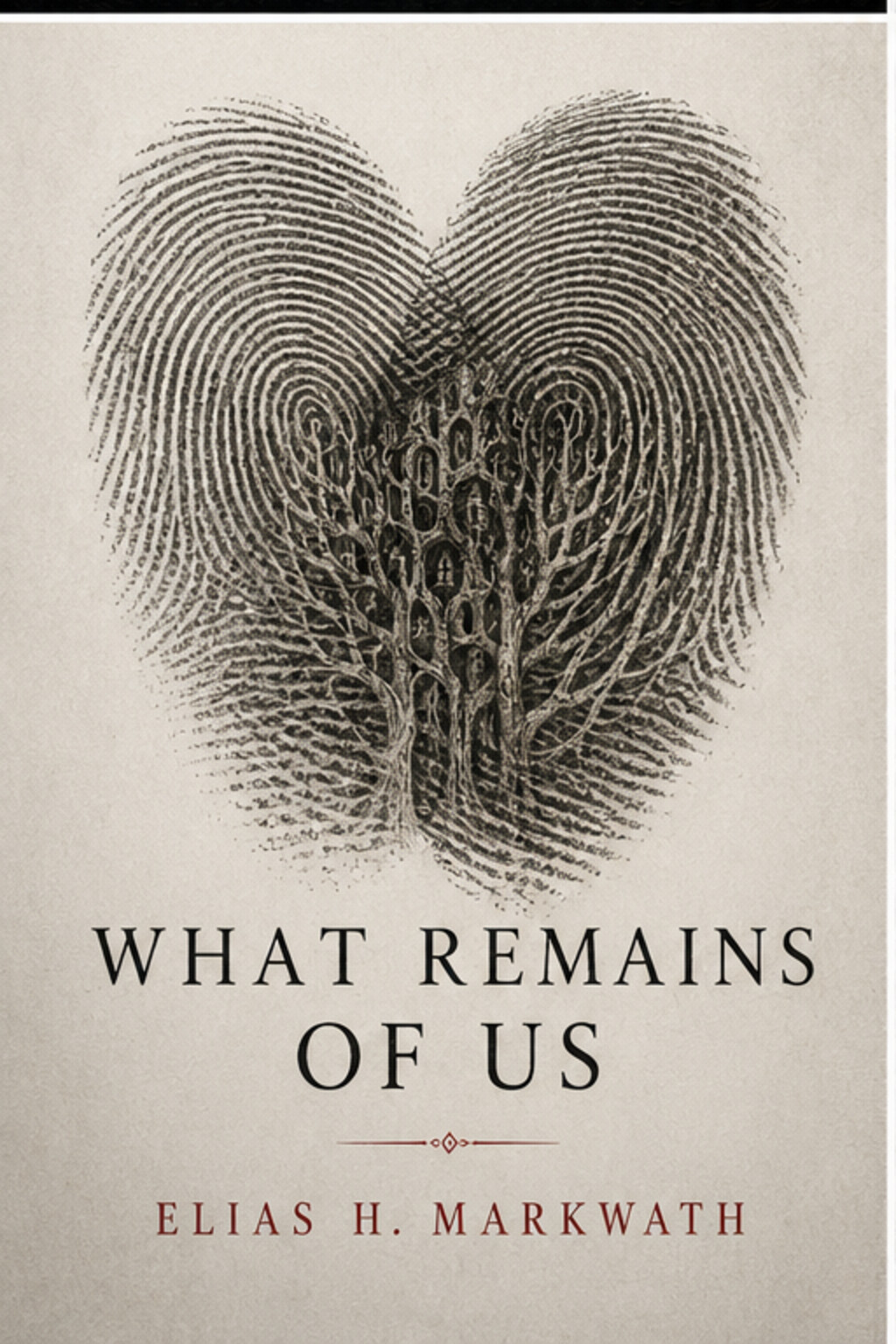
Thirty-Nine Left front cover
Novel One

Thirty-Nine Left

A disappearance, a drowning and an Australian town that has learned to leave the wrong spaces empty. Years after Joel vanished, Briar begins finding evidence that the past has not remained where everyone agreed to put it.

Dates repeat. Objects occupy impossible positions. Something begins counting back whenever it is noticed. The closer Briar comes to the rule beneath the town, the more clearly attention begins selecting what will remain.

Attention, absence, grief, inherited consequences and the terror of recognising the pattern.

Full book page →
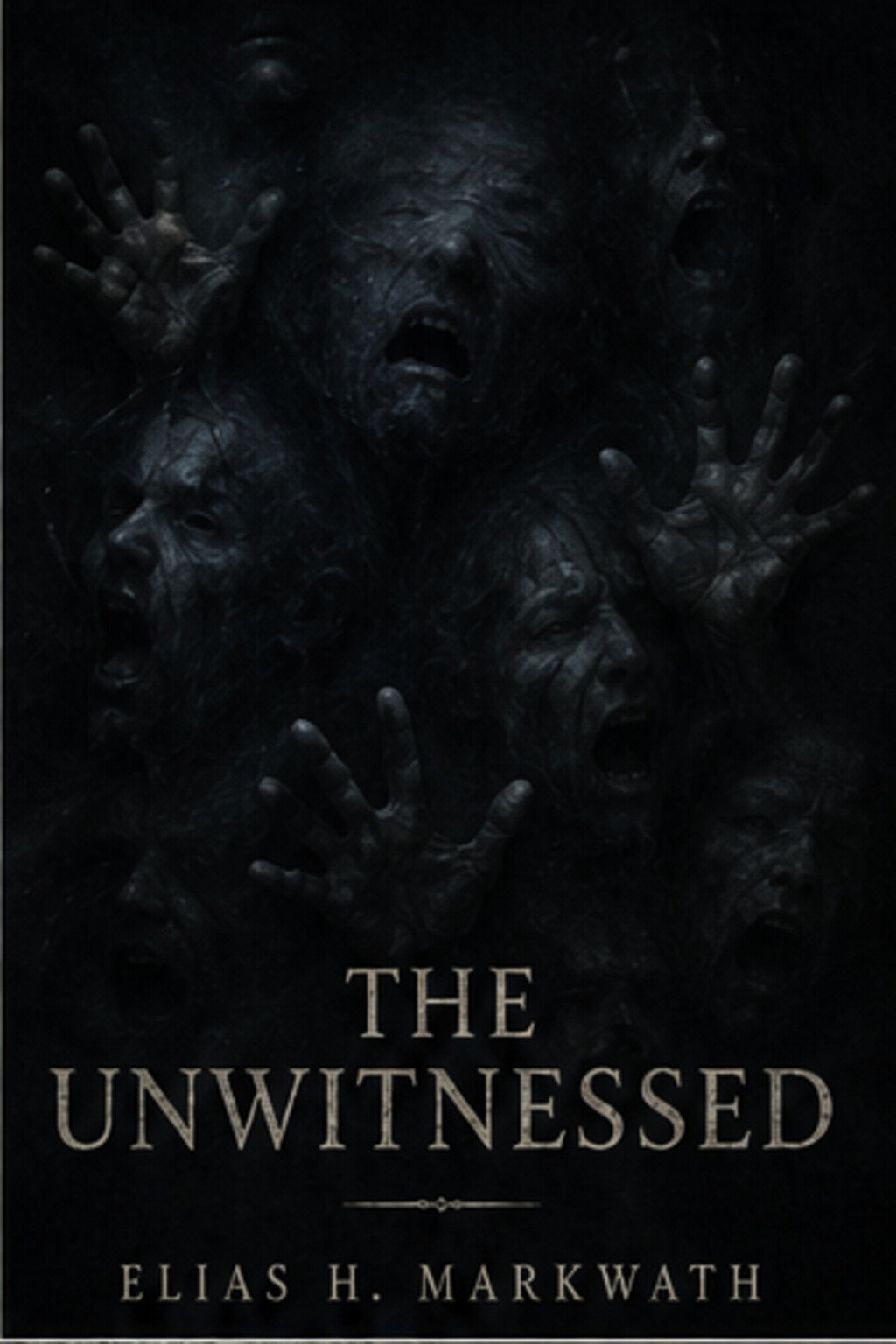
The Unwitnessed front cover
Novel Two

The Unwitnessed

Some events do not disappear because nobody saw them. They disappear because being unwitnessed is what allows them to continue.

The novel turns observation into a liability. Its characters must decide when evidence is protection and when recording an impossible event gives that event a way to identify the person looking back. The rules become more intimate, the physical horror more immediate and the cost of proof impossible to contain.

Witnessing, denial, evidence, complicity and the physical cost of being believed.

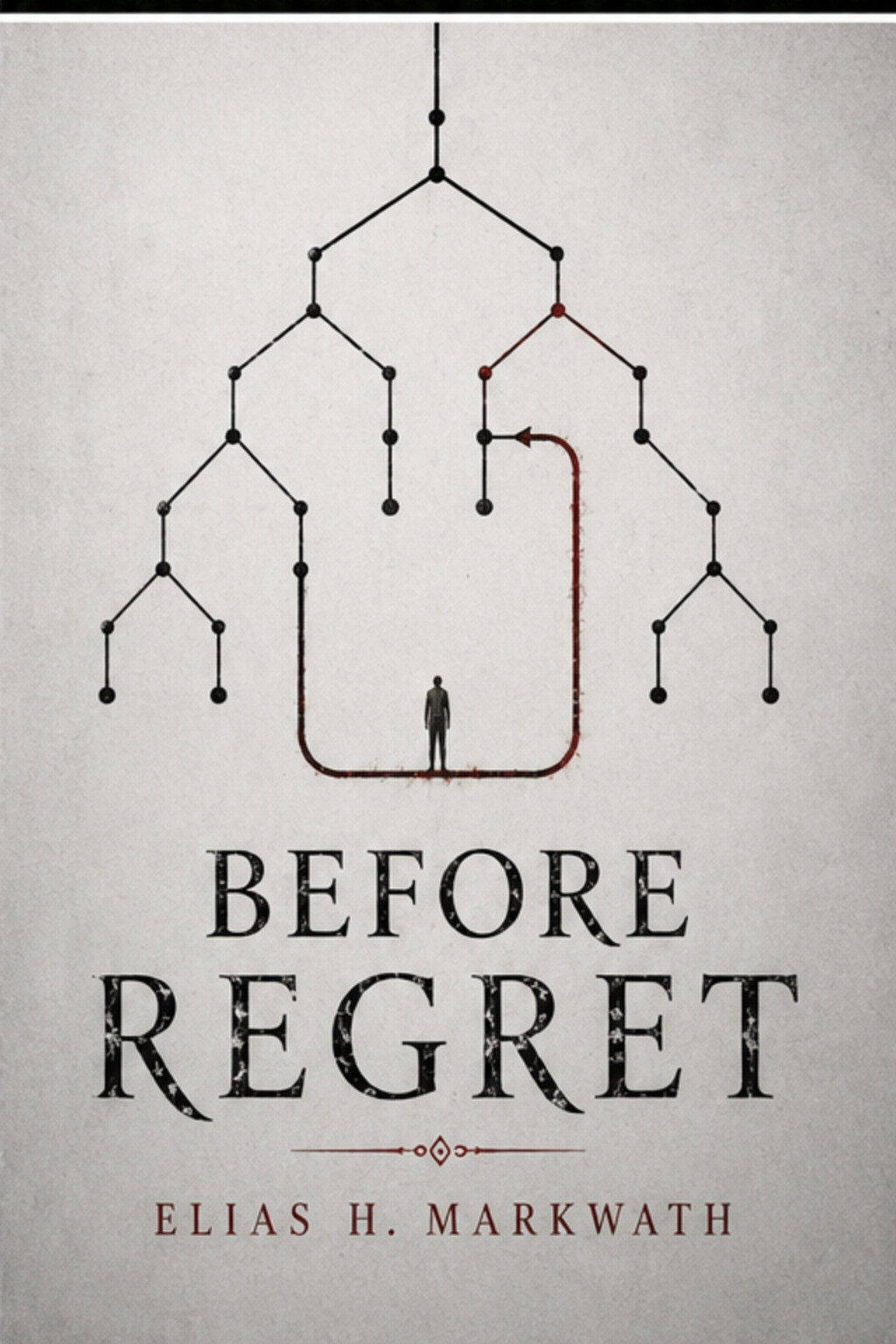
Thirty-Nine Threads front cover
Novel Three

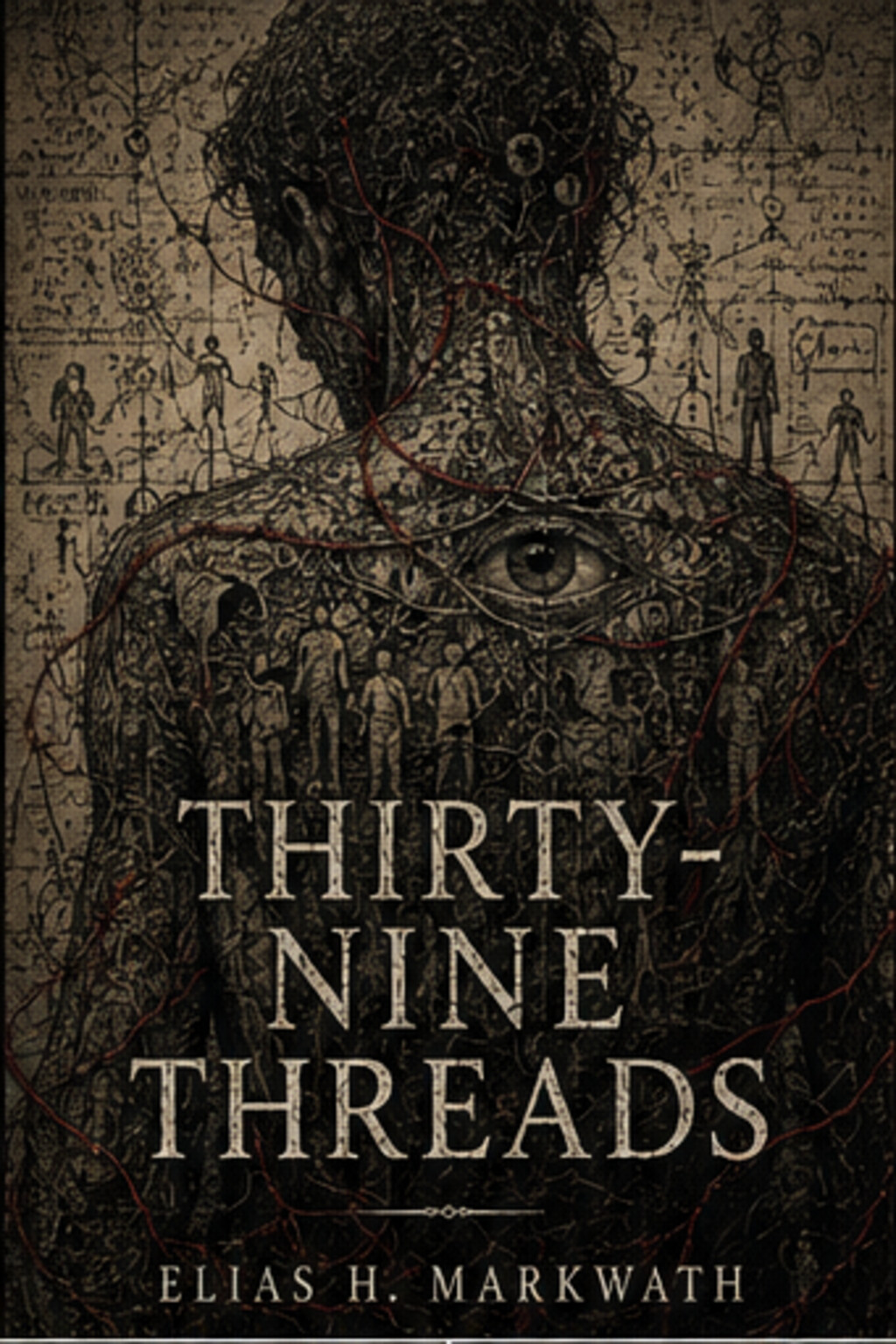
Thirty-Nine Threads

Memory behaves like fibre: it can fray, knot, be cut or pulled tight enough to move something far away. Separate lives begin repeating the same gestures and carrying recollections that do not belong to them.

Beneath those connections lies an instruction hidden across the novel. It does not ask the characters to find the thread. It tells the reader something worse: you are the thread.

Memory, connection, identity, participation and the horror of discovering what has been using you to join itself together.